
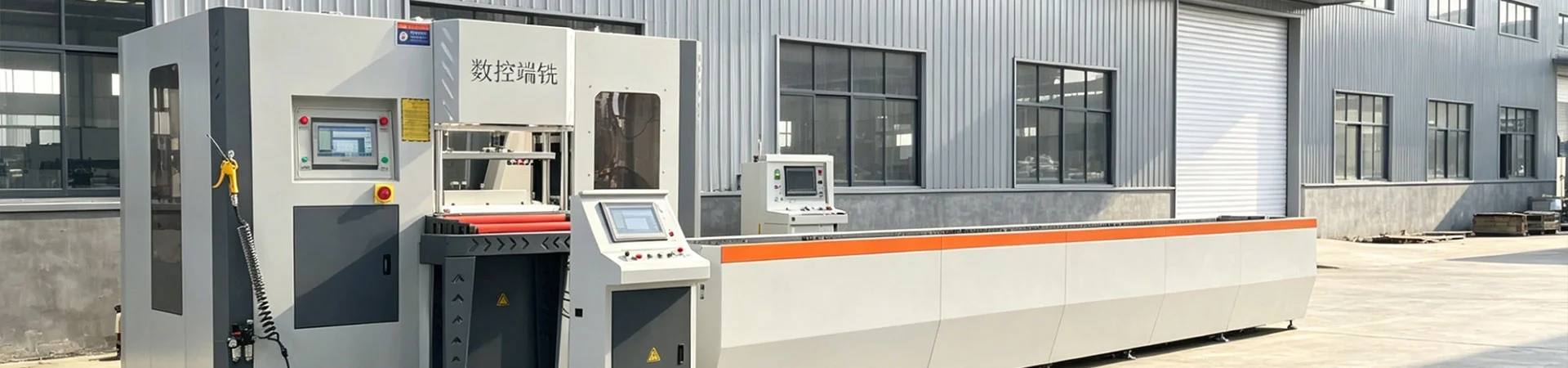
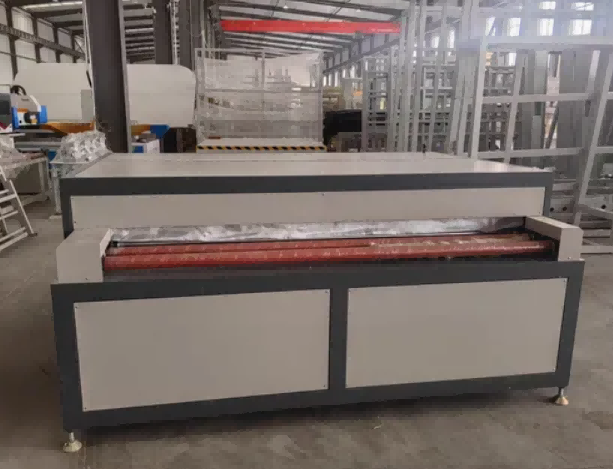
insulated glass production line 1600 hot press
For modern insulated glass production lines, the 1600 hot press segment has evolved to meet strict flatness, seal adhesion, and throughput targets. In high-volume plants, the pressing stage directly affects final unit quality because it forces the glass panes into uniform contact with the spacer while the primary seal remains workable. The 1600 insulating glass hot press machine for curtain wall is sized for large vision panels and structural glazing that demand uniform edge pressure and minimal deflection. The 1600 insulating glass hot press machine for window and door offers a compact footprint for high-mix residential and light commercial lines. Where cycle speed and energy recovery are key, the high efficiency 1600 IG hot press machine uses rapid-response platens and low thermal inertia. The 1600mm double glazed unit hot press machine is widely adopted in double-glazed unit assembly for standard window formats. Each model includes a heavy welded mainframe, precision guide rails, and servo or proportional hydraulic control to maintain parallel pressing across the full 1600 mm width. This design prevents edge seal thinning and reduces the need for post-press flattening. It also lowers the rejection rate on coated and laminated glass by distributing pressure evenly.
The Insulated Glass Production Line 1600 Hot Press integrates the 1600 mm pressing width into an automated line layout with infeed and outfeed conveyors, spacer alignment stations, and optional automatic tilting. The machine handles double and triple glazed units with flexible thickness settings, making it suitable for both conventional aluminum spacer bars and warm-edge thermoplastic spacers. The heated pressing section is controlled by a dedicated PLC with separate top and bottom temperature loops. Pressure can be profiled in five steps: approach, pre-press, main press, hold, and release. This reduces the risk of glass breakage on thin panes while ensuring the primary seal fully wets the spacer during lamination. A servo-proportional valve adjusts hydraulic flow in real time, maintaining the selected force within ±1% across the full stroke. The control interface displays pressure curves, platen temperatures, and recipe data on a 10-inch color touchscreen. Operators can switch between automatic, semi-automatic, and maintenance modes without interrupting the upstream cutting and washing stations.
Core configuration highlights:
- Frame and guiding: Stress-relieved welded steel frame with chromium-plated guide rods and self-lubricating bushings.
- Heating system: Electric heating rods embedded in cast aluminum platens; PID temperature control with ±1°C stability.
- Pressing system: Hydraulic cylinder with integrated pressure transducer; force range 0–20 kN adjustable from the touchscreen.
- Automation interface: PLC with recipe storage for 100 product codes; Ethernet port for MES or plant monitoring.
- Safety: Front and rear light curtains, two-hand start station, and emergency stop on both operator sides.
- Compatibility: Matches 1600 mm-wide conveyor sections of automatic IG lines; accepts manual loading or robotic feeding.
Technical specification summary:
| Parameter | Specification |
|---|---|
| Model | Insulated Glass Production Line 1600 Hot Press |
| Maximum glass width | 1600 mm |
| Maximum glass height | 2000 mm (2500 mm optional) |
| Minimum unit size | 300 mm × 300 mm |
| Glass thickness per pane | 3–12 mm |
| Total unit thickness | 12–50 mm |
| Pressing force | 0–20 kN, stepless adjustable |
| Platen temperature range | 30–80°C |
| Temperature control accuracy | ±1°C |
| Cycle time | 25–45 seconds per unit (size dependent) |
| Hydraulic system pressure | 10–16 MPa |
| Installed power | 18 kW |
| Compressed air supply | 0.6–0.8 MPa |
| Power supply | 220V/380V/415V, 3 phase, 50/60 Hz |
| Machine dimensions (L×W×H) | 3200 mm × 2200 mm × 1800 mm |
| Net weight | 3200 kg |
Operational considerations:
- Ambient temperature: +5°C to +40°C, relative humidity below 85% non-condensing.
- Foundation: Flat concrete floor with load-bearing capacity ≥ 500 kg/m²; no special anchor bolts required.
- Hydraulic oil: ISO VG 46 anti-wear hydraulic oil, initial fill approximately 80 L.
- Maintenance interval: Guide bushing lubrication every 500 hours; hydraulic oil filter replacement every 2000 hours.
- Quality features: Real-time pressure curve recording, seal compression distance measurement, and optional barcode scanning for recipe selection.
The hot press is compatible with upstream butyl extruders and downstream gas filling or sealing robots. Because the platen heaters only activate during the hold phase, standby energy consumption remains low. Insulated side covers and double-layer heating plates reduce thermal loss by approximately 25% compared with older open-platen designs. For lines planning future automation upgrades, the reserve I/O ports and Modbus TCP interface allow seamless integration with centralized plant control systems.
Standard documentation includes foundation drawings, electrical schematics, hydraulic diagrams, and a spare parts list. Recommended spare parts such as heating rods, guide bushings, pressure transducers, and PLC modules are kept in regional service hubs for fast dispatch. Optional additions include automatic sealant dispensing integration, a pre-heating conveyor for spacer frames, and a data-logging package for quality traceability.
Related Products


Hot Products
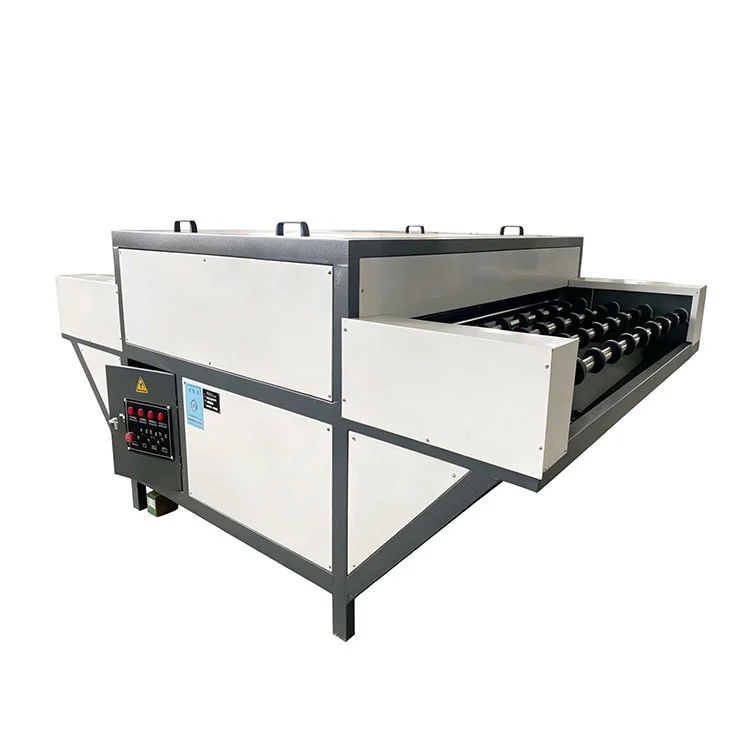
1800mm Horizontal Insulated Glass Washing and Drying Machine
Shandong Lebulang Precision Machinery Co., Ltd. introduces the 1800mm Horizontal Insulated Glass Washing and Drying Machine – a heavy duty inline cleaning system tailored for large format insulating glass production. The machine features a horizontal feeding design, 304 stainless steel construction, and a high efficiency air knife drying module. It delivers thorough contaminant removal from glass surfaces prior to sealing, ensuring durable IG unit bonds. Core buyer benefits: high throughput, low water consumption, easy maintenance, customizable voltage, rapid spare parts availability, and 1 year warranty.
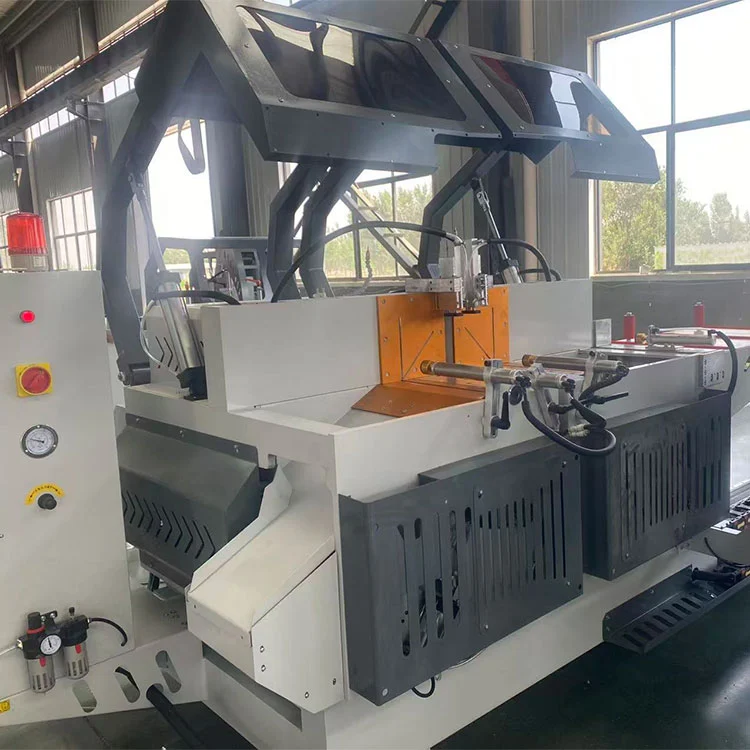
Heavy-Duty Industrial Curtain Wall Profile Notching Saw for Aluminum Fabrication
The heavy-duty curtain wall notching saw is purpose-built for aluminum profile fabrication. Featuring a 500mm cutting blade and hydraulic feeding, it supports 0–45° adjustable cutting angles to meet complex design requirements. Its rigid structure and high-power motor ensure smooth cutting even on thick-walled profiles. A reliable solution for manufacturers specializing in curtain walls, sunrooms, and architectural aluminum systems.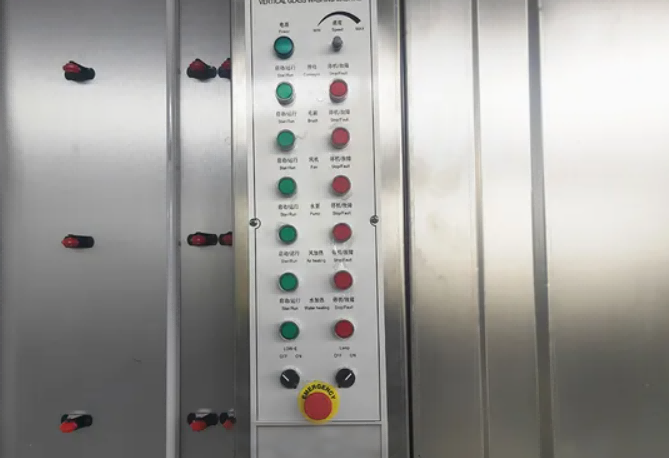
Professional 1800 Vertical Washing Drying Machine for Insulated and Tempered Glass
Boost your glass processing efficiency with our 1800 vertical washing drying machine. Engineered for insulated and tempered glass, it combines powerful cleaning, gentle handling, and rapid drying in one compact vertical design. Stainless steel throughout for long service life. Low-E safe. Fully automatic. The ideal pretreatment solution for modern glass manufacturing lines.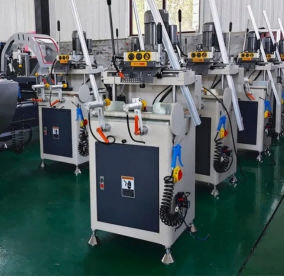
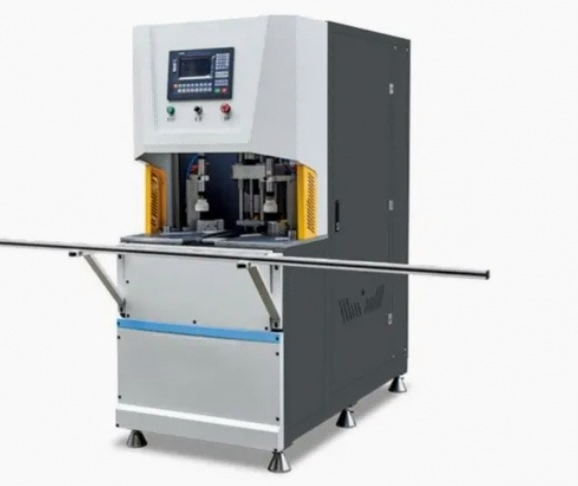
High-Precision PVC UPVC Windows High Speed Copy Routing Machine
This High-Speed Copy Routing Machine is a professional-grade processing solution engineered specifically for PVC and UPVC window and door fabrication. Designed to deliver exceptional accuracy in profile milling, lock hole cutting, and copy routing operations, it ensures consistent, high-quality results for every workpiece.
Industrial CNC 3+2 Axis Multi-Angle End Miller for Special-Section Aluminum Mullion Profiles
Purpose-built for architectural aluminum and façade manufacturers, this advanced 3+2 axis CNC end miller solves the industry’s toughest challenge: machining complex, irregular mullion profiles with absolute precision. By combining three linear CNC axes with a tilting spindle, it performs multi-angle end milling, step-face machining, and chamfering in a single setup—eliminating cumulative errors and ensuring seamless, gap-free assembly in system windows and curtain walls. With servo-driven accuracy (±0.1mm), automatic tool setting, and multi-profile program storage, it reduces labor dependency, minimizes scrap, and accelerates changeovers, making it the definitive solution for both high-mix custom projects and high-volume production.
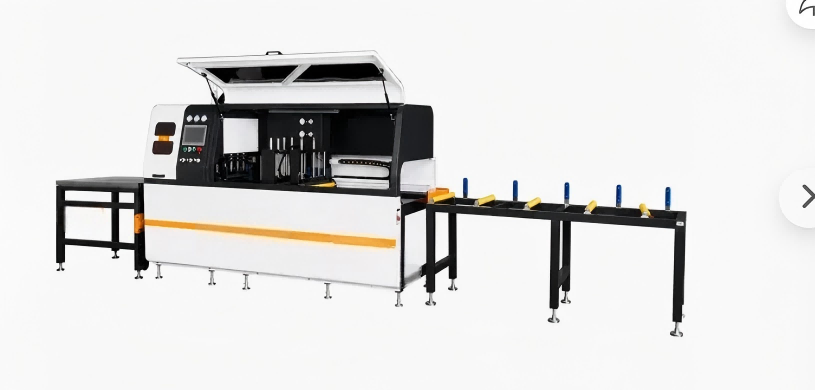
400mm Double Head precision Cutting Saw PVC Window Profile Processing Equipment
The 400mm Double Head Cutting Saw is a professional profile cutting machine engineered for PVC, UPVC, and vinyl window and door production. Equipped with two synchronized carbide-tipped saw blades (Ø400mm), it performs simultaneous two-end cutting at 45° and 90°, delivering burr-free, melt-free ends with repeat accuracy up to ±0.3mm. The machine features pneumatic auto-feed with adjustable damping, horizontal and vertical pneumatic clamping, and a movable head with digital length positioning (450–3500mm range). Designed for batch processing, it cuts window frames, sashes, mullions, and transoms in a single pass, significantly improving production efficiency. Built with a welded steel frame and precision linear guides, it offers low-vibration, long-service operation. CE certification and voltage customization (220V/380V/415V) are available for global markets.
- Related Blog
- Reviews
