New Products
- High-Precision 800mm Heavy-Duty CNC Machining Center for Industrial Aluminum Profiles
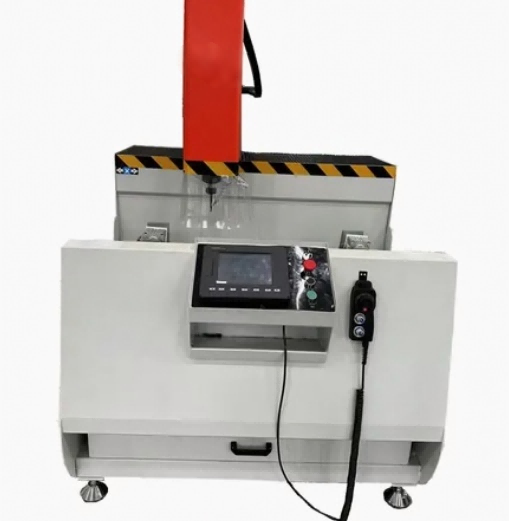
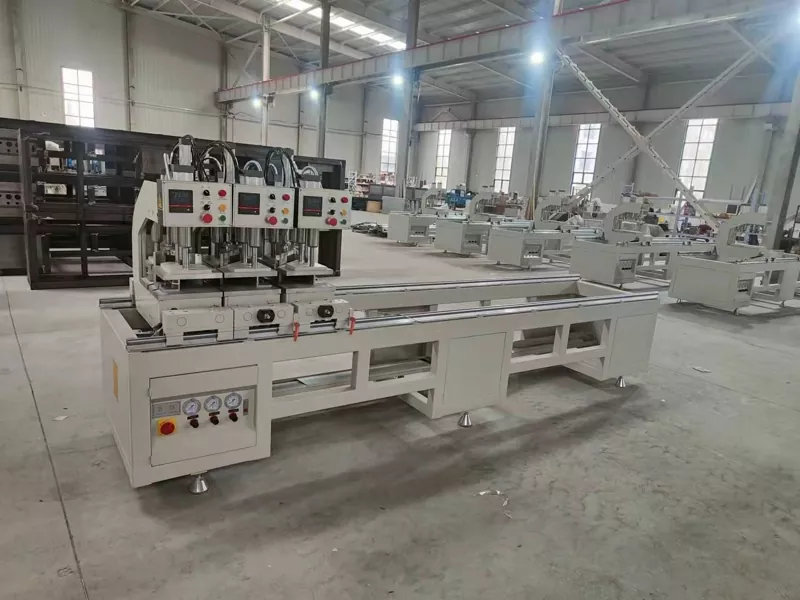
- High-Precision 4-Head CNC Aluminum Curtain Wall Drilling Machine
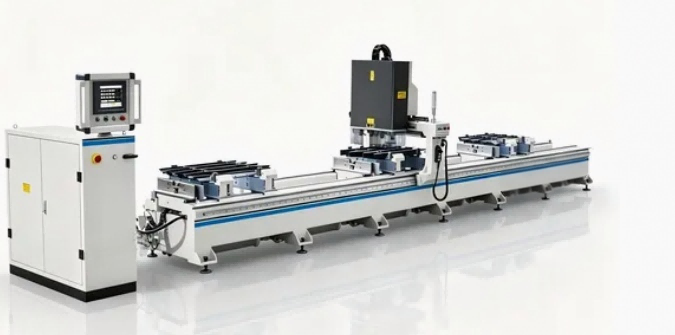
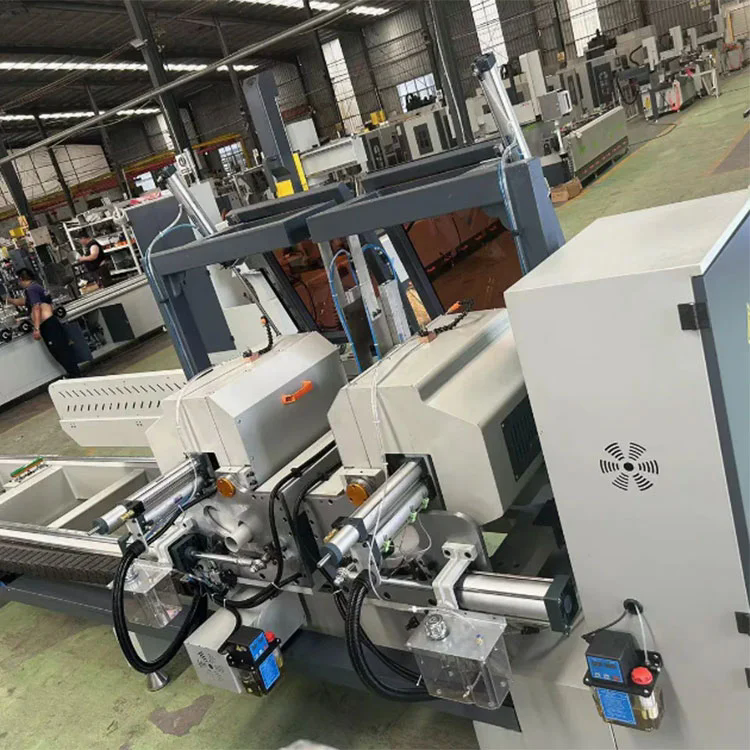
- CNC Heavy Duty Curtain Wall Notting Saw
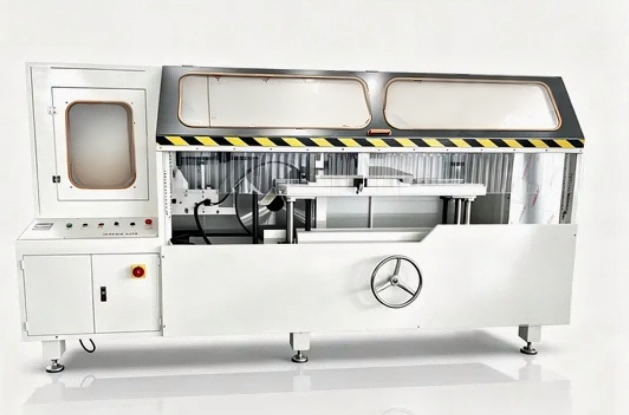
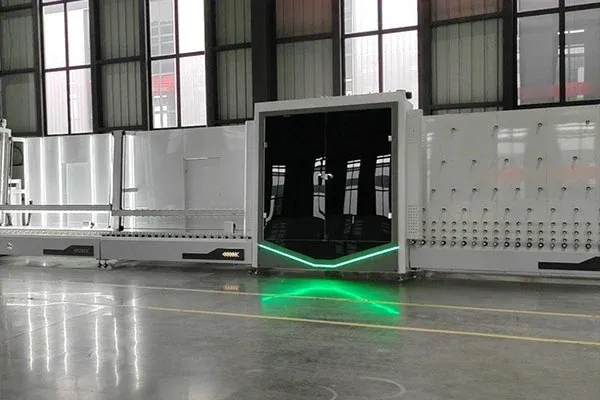
- High-Efficiency 1800 Vertical Washing Drying Machine for Insulated and Tempered Glass
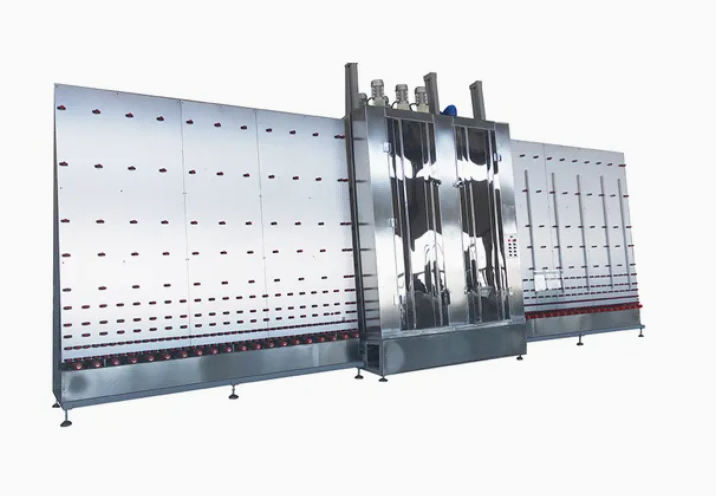
- 1600mm High-Efficiency Horizontal Insulated Glass Washing and Drying Machine
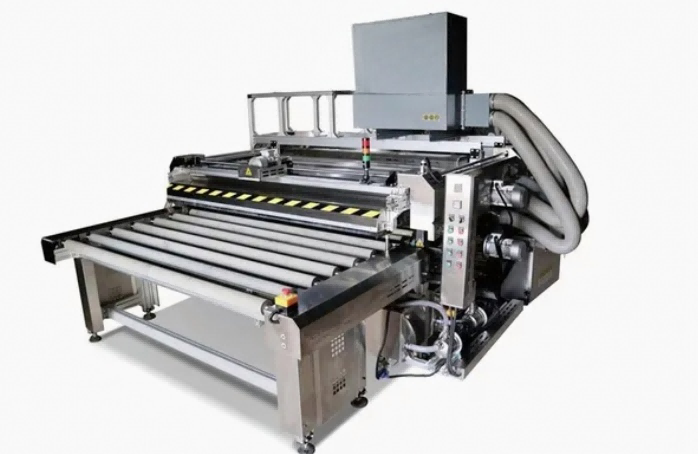
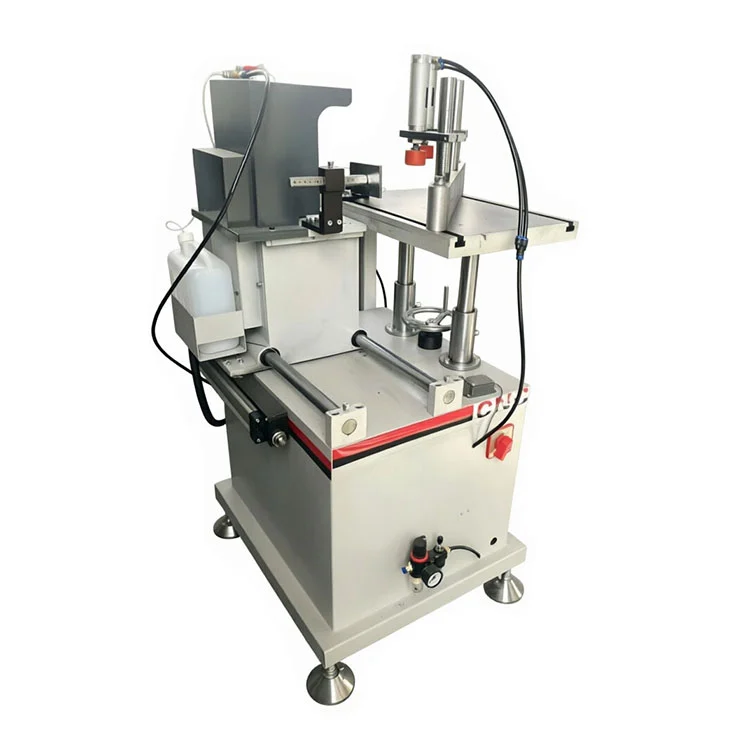
PVC End Milling Machine for Window Profiles
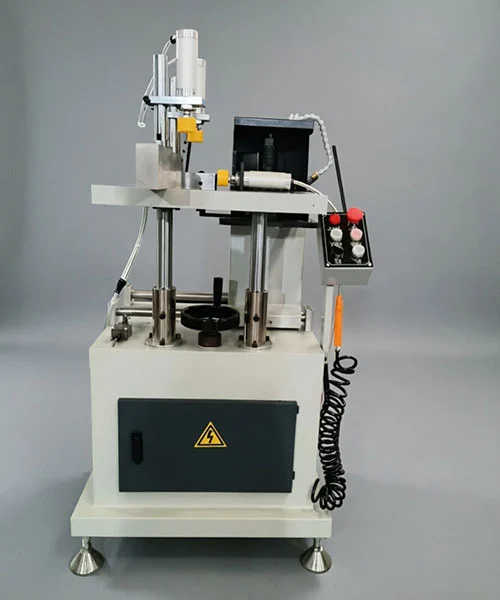
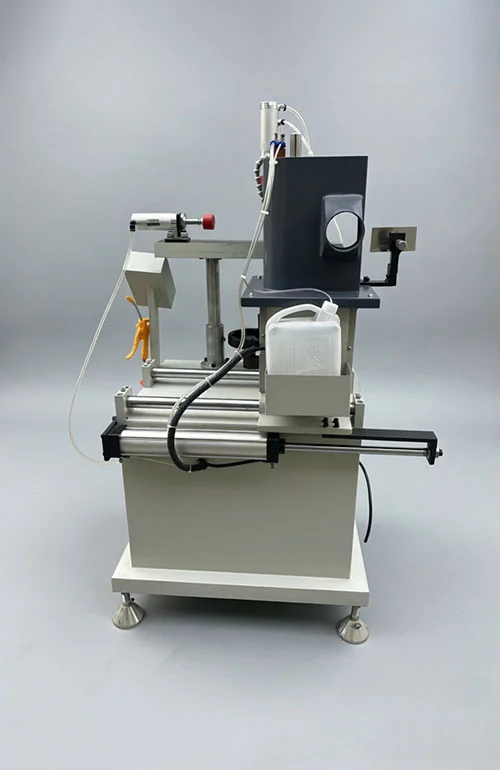
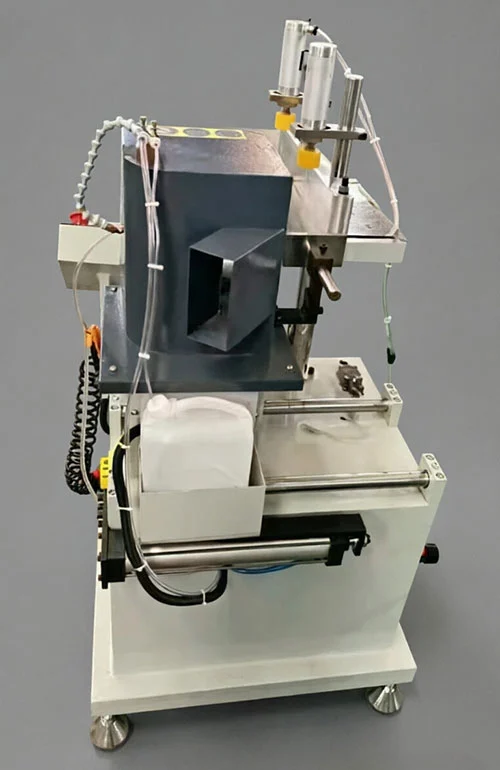
Innovation meets versatility in the Lebulang PVC End Milling Machine for Window Profiles. Designed for semi-automatic end-face milling of PVC and aluminum-plastic window profiles, it supports a wide range of structures using different tools – from step surfaces and rectangular grooves to tenons. The worktable positioning plate can be adjusted from -55° to +55°, enabling precise bevel cutting at various angles. Thanks to a linear bearing motion pair for tool feed, the machine delivers stable performance with an end-face surface roughness of Ra12.5μm. A reliable asset for medium-to-large-scale manufacturing.
Key Features
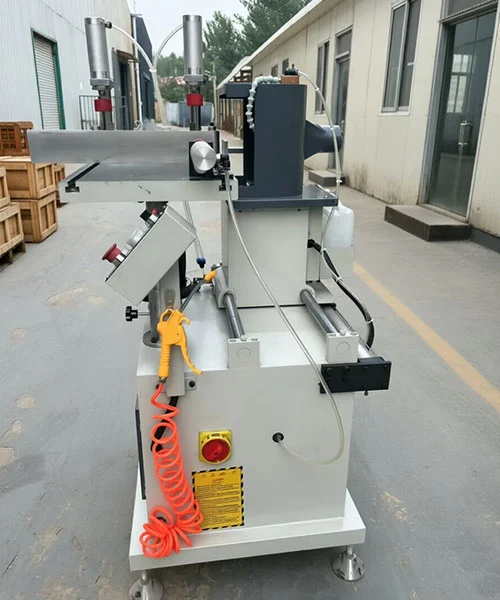
- Profile end shaping: The PVC End Milling Machine for Window Profiles accommodates step faces, rectangular grooves, tenons and similar structures by changing tooling, which is secured on a horizontal spindle.
- Angled milling range: A positioning plate on the worktable can be set between -55° and +55°, enabling bevel cuts on profile ends without custom jigs.
- Linear bearing feed: The tool feed mechanism runs on a linear bearing motion pair, keeping vibration low and motion repeatable during milling cycles.
- End surface finish: Processed ends consistently reach Ra12.5 μm roughness, which is sufficient for tight assembly of transoms and frame sections.
- Pneumatic clamping: Profiles are held by air-operated clamps during the cut, reducing operator effort while maintaining workpiece position.
Technical Specifications
| Parameter | Details |
| Condition | New |
| Automatic Grade | Semi-Automatic |
| Voltage | 380V |
| Specification (L×W×H) | 850 × 740 × 1280 mm |
| Processing End Surface Roughness | Ra12.5 μm |
| Worktable Positioning Angle | -55° ~ 55° |
| Production Capacity | 500 Sets / Month |
| Transport Package | Standard Export Wooden Box |
| Trademark | Lebulang / OEM / ODM |
Application Scope
This PVC End Milling Machine for Window Profiles is used in the production of PVC windows, aluminum-plastic composite windows, and thermal-break aluminum window frames. Typical workpieces include middle transoms, door frame profiles, and other extruded sections that require end-face shaping, grooving, or tenon cutting before assembly.
Key Components
- Milling spindle: Horizontal spindle accepts interchangeable cutters for step, groove, and tenon work. Runs at a speed that matches carbide tooling for clean material removal.
- Linear bearing guide system: The feed carriage moves on sealed linear bearings, which require only periodic lubrication and help maintain consistent cut geometry over time.
- Pneumatic clamping unit: Clamps engage with 0.5–0.8 MPa air supply. Jaws are shaped to avoid marking profile surfaces during the milling cycle.
- Adjustable worktable: A manually set positioning plate allows the operator to dial in angles from -55° to +55°, with a scale for repeat positioning.
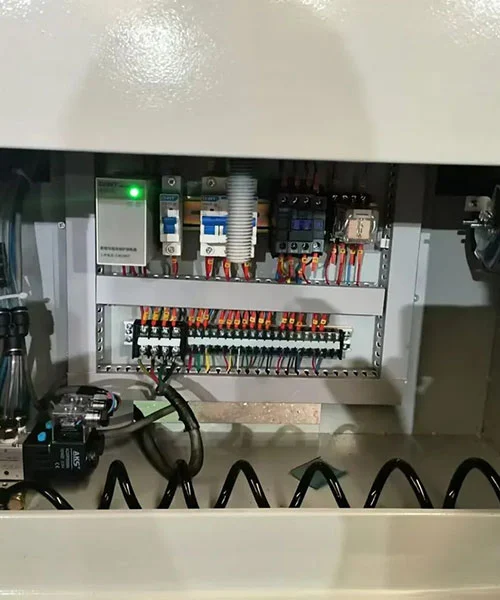
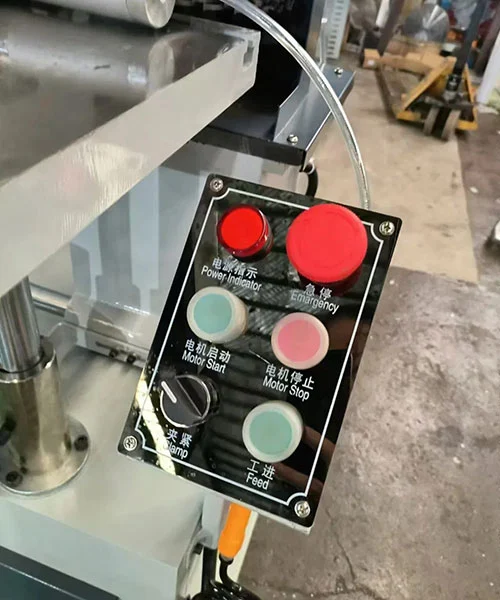
- Control circuit: Uses a simple push-button station and a safety interlock that prevents spindle start when the guard is open. Electrical components are arranged in a dust-sealed enclosure.
Manufacturer & Support
With a factory established in 1996, Lebulang Machine has been producing profile processing equipment in Jinan, China for nearly three decades. The PVC End Milling Machine for Window Profiles is supplied factory-direct, carries CE and ISO certification, and can be customized under OEM/ODM agreements. A one-year warranty covers the main structure, and remote installation guidance is provided without additional charge.
Packaging & Shipping
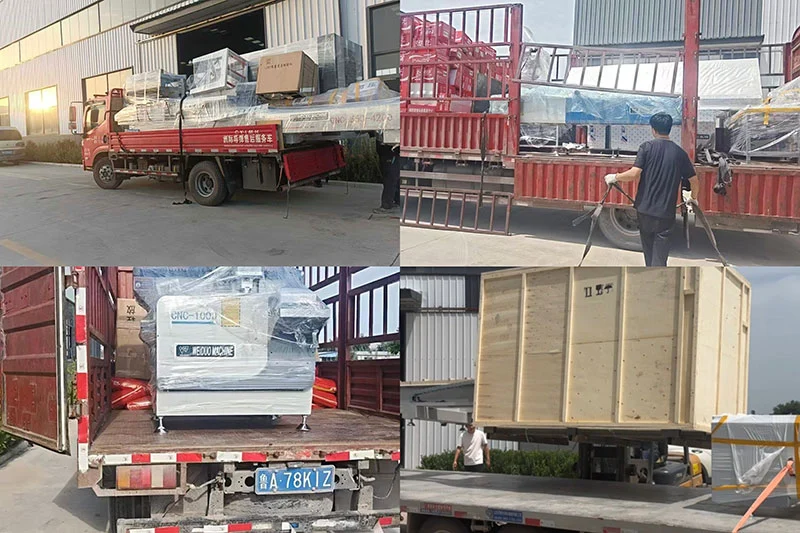
Each PVC End Milling Machine for Window Profiles is packed in a standard export-grade wooden crate with internal bracing to prevent movement during transit. The crate is moisture-resistant and labeled with handling instructions. Shipping terms are FOB Jinan or Qingdao, with delivery lead times typically 15 to 25 working days after order confirmation. Documents including a test report, packing list, and CE certificate are sent digitally before dispatch.
FAQ
Q1: What profile structures can the PVC End Milling Machine for Window Profiles process?
A: By changing the cutting tool, the machine mills step surfaces, rectangular grooves, tenons, and other end details commonly required on PVC and aluminum-plastic composite transoms and frame profiles.
Q2: What is the angular adjustment range for bevel cutting?
A: The worktable positioning plate is adjustable from -55° to 55°, making it possible to produce angled end cuts within this range without additional fixtures.
Q3: How is stability maintained during milling?
A: The tool feed mechanism uses a linear bearing motion pair, which reduces vibration and helps keep the milling depth consistent across repeated cycles.
Q4: What end surface roughness can be expected?
A: Consistently machined ends achieve a roughness of Ra12.5 μm, a finish that allows tight-fitting joints in window and door assembly.
Q5: What are the worktable dimensions?
A: The machine worktable measures 500 × 350 mm, providing stable support for standard UPVC and aluminum-plastic window profiles.
Q6: What is the maximum milling width?
A: The tooling set supports a maximum milling width of 90 mm.
Q7: What are the power and air supply requirements?
A: The machine runs on 380V, 50Hz three-phase power and requires a working air pressure of 0.5 to 0.8 MPa for the pneumatic clamping system.
Q8: Are spare parts available?
A: Yes. Common wear parts, including imported cutter wheels and setting tools, are available as options and can be replaced easily by the operator.
Send Inquiry
Contact Info
-
Address
Zone B, Rural Revitalization Industrial Park, Xuanzhangtun Town, Qihe County, Dezhou City, Shandong Province, China
-
Tel
-
Email
Send your inquiry to Lebulang Machine for a free quote on thermal break aluminum, curtain wall, insulated glass or UPVC processing equipment. OEM customization supported, factory direct price, fast response.
Related Products


News Recommendations