
How Can a High-Precision Heavy-Duty 4-Head CNC Aluminum Curtain Wall Drilling Machine Transform Your Production Efficiency
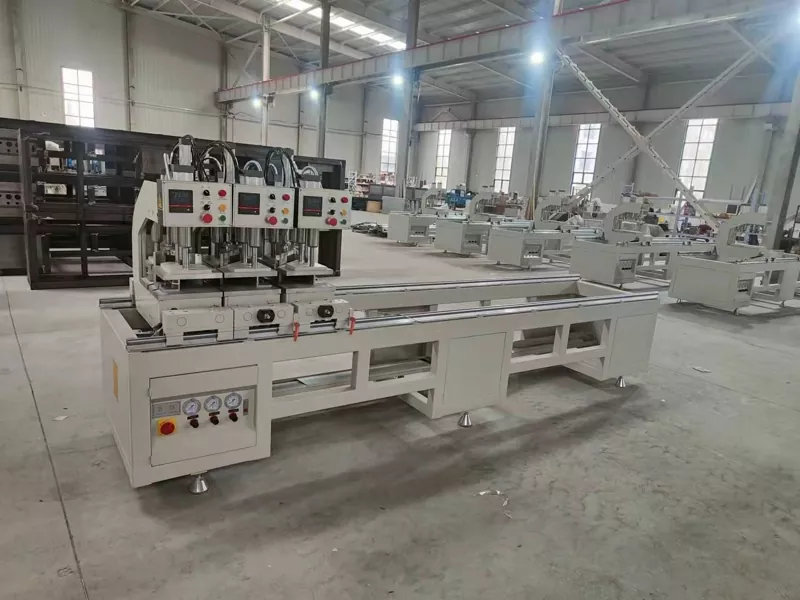
Lebulang provides professional machinery solutions for aluminum profile and curtain wall fabrication, helping manufacturers improve machining consistency, production efficiency, and workshop productivity. A High-Precision Heavy-Duty 4-Head CNC Aluminum Curtain Wall Drilling Machine is a valuable option for operations that require repeatable hole positioning, reliable multi-point drilling, and efficient processing of architectural aluminum profiles.
As commercial buildings, office towers, and modern architectural projects demand increasingly sophisticated facade systems, manufacturers must balance machining accuracy with production volume. Choosing suitable CNC drilling equipment can help reduce repetitive manual work, simplify processing workflows, and maintain consistent results across large batches of curtain wall components.
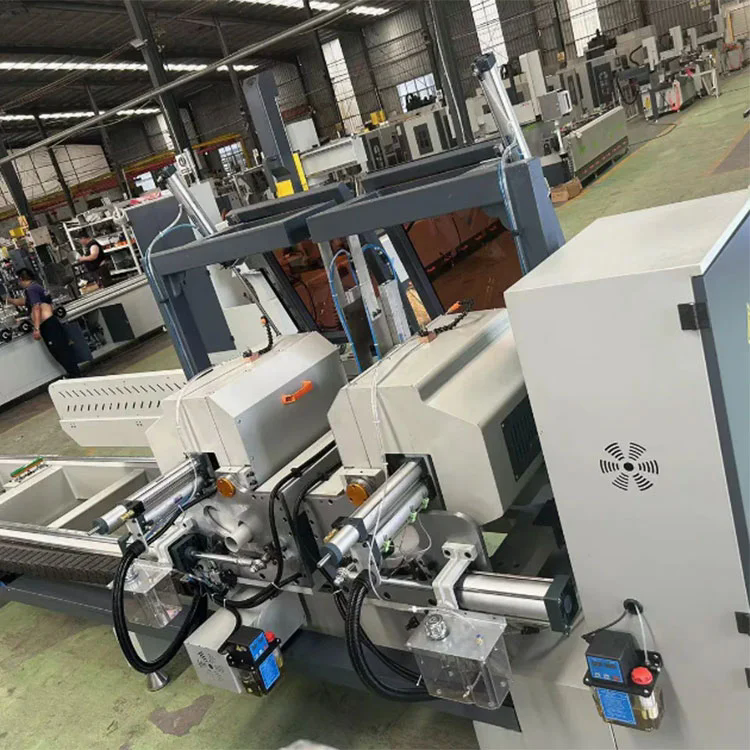
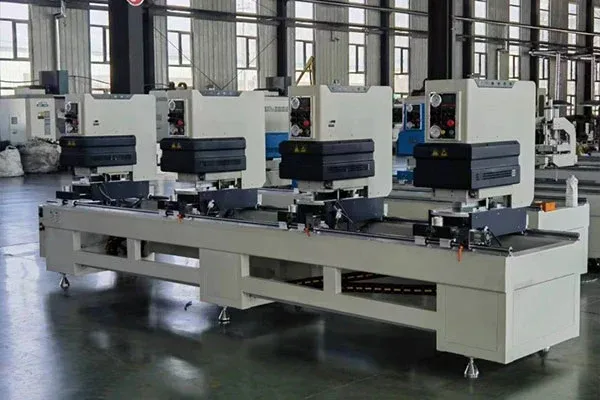
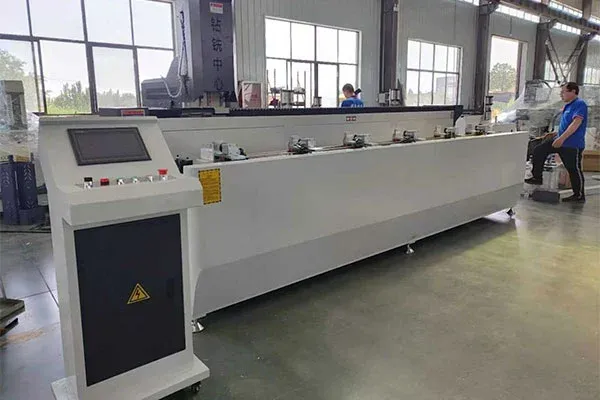
A High-Precision Heavy-Duty 4-Head CNC Aluminum Curtain Wall Drilling Machine is designed to support efficient drilling operations on aluminum profiles used in curtain wall, window, and door fabrication. By coordinating multiple drilling heads with a suitable control system and stable workholding arrangement, this equipment can reduce repeated positioning and improve batch-processing consistency. Buyers should evaluate spindle configuration, drilling capacity, positioning accuracy, profile compatibility, control functions, safety features, and after-sales support before purchasing. The right machine depends on the profile geometry, hole patterns, production volume, and tolerance requirements of the intended application.
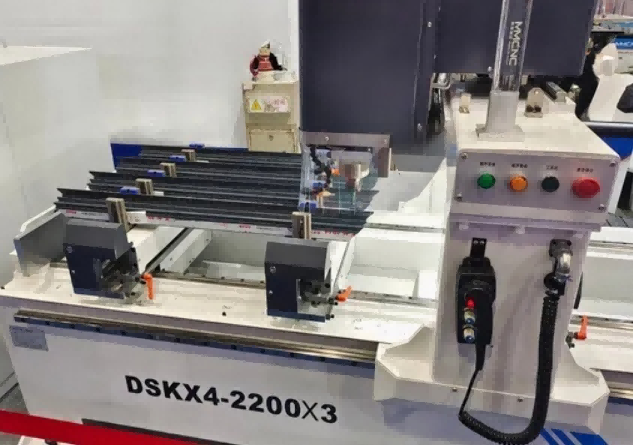
Table of Contents
- What Is a Four-Head CNC Aluminum Curtain Wall Drilling Machine?
- Why Does Precision Matter in Curtain Wall Manufacturing?
- Which Features Should Buyers Evaluate?
- Where Can This Equipment Be Used?
- How Does Four-Head Drilling Compare with Other Methods?
- How Can CNC Drilling Improve Productivity?
- How Should You Select the Right Machine?
- What Maintenance Practices Support Long-Term Performance?
- Frequently Asked Questions
- Final Considerations for Your Next Equipment Investment
What Is a Four-Head CNC Aluminum Curtain Wall Drilling Machine?
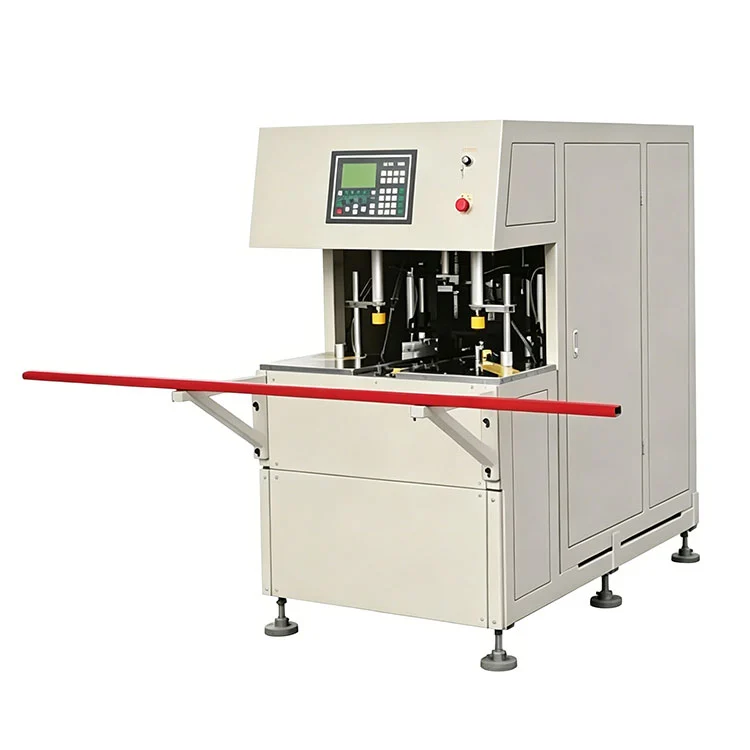
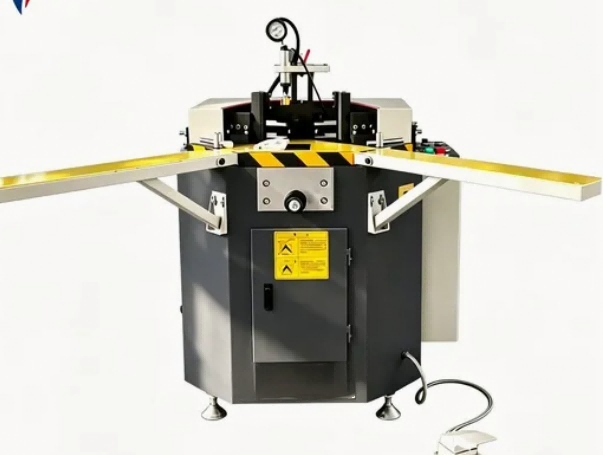
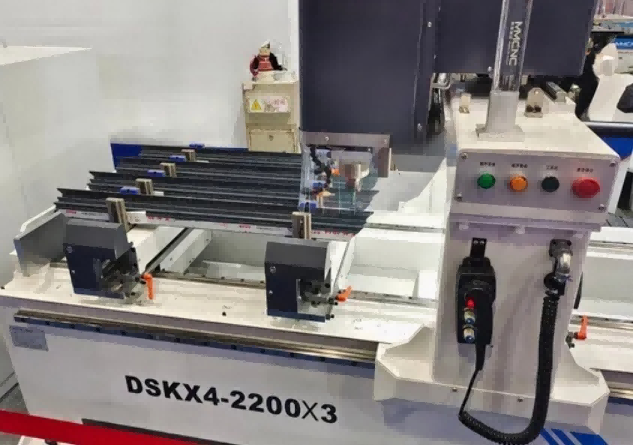
A four-head CNC drilling machine is a specialized piece of fabrication equipment designed to perform coordinated drilling operations on aluminum profiles. Depending on its configuration, the machine may use four drilling heads to process multiple holes or machining positions during a single setup.
The CNC control system manages programmed movements and drilling sequences according to the machine's supported axes and configuration. Compared with manually positioning a profile for each hole, an appropriately configured CNC system can improve repeatability and reduce the time spent on measurement and repositioning.
The heavy-duty designation generally refers to a machine structure intended to provide stability during demanding production cycles. Actual rigidity, load capacity, spindle performance, and supported profile dimensions must be confirmed against the manufacturer's technical documentation.
Typical system components may include:
- Machine frame: Supports the machining assembly and helps resist vibration.
- Drilling heads: Provide the required drilling operations according to the selected configuration.
- CNC controller: Stores and executes supported machining programs.
- Profile clamping system: Secures aluminum workpieces during machining.
- Positioning mechanism: Moves the workpiece or machining assembly according to the programmed sequence.
- Safety equipment: May include protective covers, emergency stops, and interlocks, depending on the design.
The exact number of independently controlled axes, simultaneous drilling capabilities, and supported hole patterns varies by model. Buyers should verify these details rather than assuming that every four-head machine performs identical operations.
Why Does Precision Matter in Curtain Wall Manufacturing?
Aluminum curtain wall systems rely on accurately fabricated profiles, connectors, brackets, and fastener locations. Drilling errors can complicate assembly, increase rework, and affect the alignment of connected components.
Precision is particularly important when manufacturers process repeated profile designs for large commercial projects. Consistent hole locations help production teams maintain standardized assembly procedures and reduce the need for manual corrections.
Consistent Hole Positioning
Programmed positioning helps operators reproduce specified drilling coordinates across repeated workpieces. When the fixture, program, tooling, and material remain consistent, CNC processing can reduce variation associated with repeated manual measurement.
Improved Batch Consistency
Large curtain wall projects may require hundreds or thousands of components with similar machining requirements. A validated program and standardized setup make it easier to repeat established operations throughout a production batch.
Reduced Rework and Material Waste
Incorrectly positioned holes can make profiles difficult to assemble and may require additional machining or replacement. Stable clamping, appropriate tools, and verified CNC programs help reduce preventable errors and support more efficient material use.
It is important to remember that CNC control alone does not guarantee a particular tolerance. Final accuracy depends on machine construction, calibration, tool condition, workpiece stability, programming, and operating conditions.
Which Features Should Buyers Evaluate?
When evaluating a High-Precision Heavy-Duty 4-Head CNC Aluminum Curtain Wall Drilling Machine, buyers should focus on the relationship between machine design and their actual production requirements.
1. Four-Head Configuration
Determine how the four heads are arranged and whether they can operate independently, in coordinated sequences, or simultaneously. The best arrangement depends on hole spacing, profile geometry, drilling depth, and the number of operations required for each component.
2. Positioning and Repeatability
Ask for documented positioning accuracy and repeatability specifications. If hole locations are critical to assembly, request a demonstration using representative profiles and the intended machining program.
3. Heavy-Duty Structural Design
A stable frame and properly supported moving assemblies can help control vibration during machining. Buyers should also evaluate clamping strength, guide systems, transmission components, and accessibility for routine maintenance.
4. CNC Programming and Operation
Review the programming interface, supported file formats, job storage, and ease of changing between profile designs. Confirm whether the controller supports the specific drilling sequences and automation functions required by your factory.
5. Tooling and Material Compatibility
Aluminum alloys and profile geometries vary. The supplier should confirm suitable drill diameters, tool holders, spindle capacity, cutting parameters, and workholding arrangements for the intended materials.
6. Safety and Serviceability
Check guarding, emergency-stop functions, electrical protection, maintenance access, and the availability of replacement parts. Clear operating instructions and practical operator training can also help reduce avoidable downtime.
Where Can This Equipment Be Used?
Four-head CNC drilling equipment can be considered for a range of aluminum fabrication tasks when the machine's capacity and tooling match the workpiece requirements.
- Commercial curtain walls: Drilling specified fixing and connection holes in aluminum facade profiles.
- High-rise building facades: Processing repeated profile components for large construction projects.
- Aluminum doors and windows: Machining frame members and connection points when supported by the machine configuration.
- Architectural aluminum fabrication: Producing repeated components with standardized hole patterns.
- Industrial aluminum assemblies: Processing compatible extruded profiles for equipment frames and structural assemblies.
Before committing to a machine, manufacturers should supply drawings or sample workpieces to establish whether the equipment can accommodate profile dimensions, hole locations, clamping positions, and required machining depth.
How Does Four-Head Drilling Compare with Other Methods?
The following table provides a general comparison of common drilling approaches. Actual performance depends on the machine design, production layout, workpiece complexity, and operator experience.
| Evaluation Factor | Manual Drilling | Single-Head CNC Drilling | Four-Head CNC Drilling |
|---|---|---|---|
| Positioning method | Primarily manual measurement and alignment | Programmed positioning for supported operations | Programmed positioning with multiple drilling heads |
| Repeatability | Depends heavily on operator technique and fixtures | Supports repeatable programmed operations | Can support repeatable multi-point operations |
| Setup requirements | Frequent manual measurement may be required | Program preparation and workpiece clamping | Program preparation and coordination of multiple heads |
| Production suitability | Simple jobs and low-volume work | Flexible CNC drilling tasks | Potentially efficient for compatible repeated drilling patterns |
| Initial investment | Generally lower equipment cost | Depends on CNC capability and configuration | Depends on head arrangement, controls, and automation level |
| Key purchasing consideration | Labor and measurement consistency | Machining flexibility and accuracy | Head coordination, setup time, and actual cycle-time savings |
A four-head system is not automatically the best choice for every factory. Its advantage is most relevant when multiple drilling operations can be completed efficiently within the same workholding arrangement. For varied, one-off components, a flexible single-head CNC system may be more appropriate.
How Can CNC Drilling Improve Productivity?
Productivity improvements come from reducing non-value-added work while maintaining the quality required for assembly. A well-integrated CNC drilling process can support these goals in several ways.
Reduce Repeated Manual Positioning
Once a machining program and fixture have been validated, operators can repeat the same sequence without measuring every hole from the beginning. This helps standardize production and reduces dependence on manual layout work.
Coordinate Multiple Operations
When the four-head configuration matches the required hole pattern, multiple drilling operations may be coordinated within one setup. This can reduce handling and repositioning, although the actual benefit must be established through cycle-time testing.
Standardize Production Records
Stored programs can help production teams organize jobs by profile type, drawing revision, or order number. A controlled program library also makes it easier to reproduce established machining processes and manage changes.
Measure the Real Return on Investment
Rather than relying only on advertised output figures, calculate the expected improvement using your own production data.
- Record the current machining time per workpiece.
- Measure setup, loading, unloading, and inspection time.
- Estimate expected labor savings and changes in rework rates.
- Include tooling, electricity, maintenance, and training expenses.
- Compare verified production capacity with actual order demand.
These measurements provide a more realistic basis for comparing equipment investments than theoretical spindle speeds or headline productivity claims alone.
How Should You Select the Right Machine?
Choosing the right High-Precision Heavy-Duty 4-Head CNC Aluminum Curtain Wall Drilling Machine begins with a clear understanding of the products your factory manufactures.
- Define the workpiece range. Document the minimum and maximum profile dimensions, lengths, cross-sections, and material grades.
- Map the drilling requirements. Provide hole diameters, spacing, depths, quantities, and any special machining requirements.
- Confirm head coordination. Establish whether the proposed head arrangement can complete the required operations without conflicting tool paths or repeated setups.
- Review accuracy specifications. Request documented positioning and repeatability data, along with a practical machining demonstration where possible.
- Check factory integration. Assess floor space, electrical supply, compressed-air requirements if applicable, chip collection, and material handling.
- Evaluate lifecycle support. Confirm installation arrangements, training, warranty conditions, spare parts, and remote or on-site service availability.
- Request a detailed quotation. Compare standard equipment, optional accessories, commissioning, delivery, and ongoing operating costs.
For manufacturers purchasing from China, it is especially useful to request a written technical proposal that clearly separates standard specifications from optional configurations. This makes supplier comparisons more transparent and reduces the risk of misunderstandings after the order is placed.
For additional background, buyers can review Lebulang's official machinery website to learn more about its door, window, aluminum profile, and curtain wall processing equipment portfolio. Specific four-head drilling capabilities should be confirmed directly with the supplier.
What Maintenance Practices Support Long-Term Performance?
Routine maintenance helps preserve machining consistency and reduce unexpected interruptions. The appropriate maintenance intervals should always follow the machine manufacturer's operating manual.
- Inspect cutting tools: Replace worn or damaged drills and use tooling suitable for the aluminum alloy being processed.
- Check clamping components: Ensure workpieces are securely held and fixtures remain in good condition.
- Maintain moving assemblies: Inspect guideways, transmission systems, and lubrication points according to the prescribed schedule.
- Verify positioning: Check reference positions and calibration whenever machining results indicate a possible deviation.
- Keep the work area clean: Remove aluminum chips using approved procedures and prevent debris from interfering with moving parts.
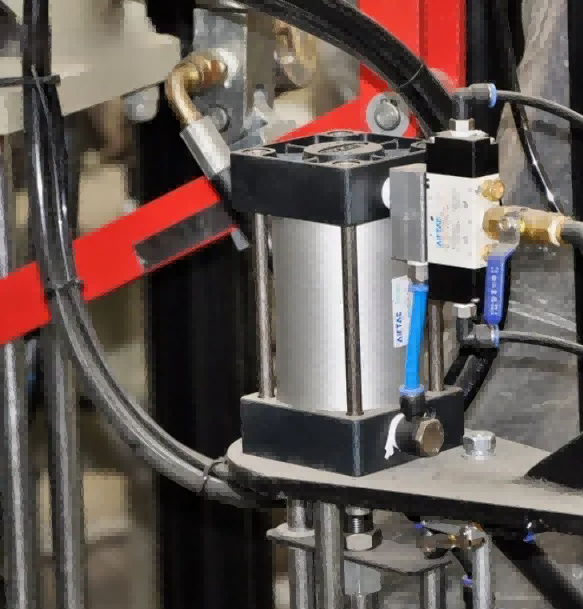
- Inspect electrical and pneumatic systems: Check connections, hoses, sensors, and protective devices where applicable.
- Maintain program control: Back up validated CNC programs and document approved revisions.
Operators should isolate energy sources before performing maintenance and follow the manufacturer's safety procedures. Regular inspections, accurate records, and timely replacement of worn components can help protect both production quality and equipment availability.
Frequently Asked Questions
1. What is a High-Precision Heavy-Duty 4-Head CNC Aluminum Curtain Wall Drilling Machine used for?
It is used to drill specified holes in compatible aluminum profiles for curtain wall, window, door, and related fabrication applications. Depending on its configuration, four drilling heads may coordinate multiple operations to reduce repeated positioning and improve production consistency.
2. Does a four-head drilling machine always operate all four heads simultaneously?
No. Simultaneous operation depends on the mechanical design, spindle arrangement, CNC controls, and selected machining program. Buyers should confirm whether the heads operate independently, sequentially, or simultaneously before purchasing.
3. What materials can this machine process?
Its primary intended application is aluminum profile drilling. Compatibility with particular aluminum alloys, profile shapes, coatings, or other materials depends on the machine's tooling, spindle capacity, fixtures, and operating parameters.
4. How can buyers verify machining accuracy?
Request documented positioning specifications and a sample machining test using representative profiles. Inspect the finished hole positions and dimensions against the approved drawings, and clarify the measurement method and acceptance criteria with the supplier.
5. What information should be included in a quotation request?
Provide profile drawings, material specifications, hole dimensions, required tolerances, expected production volume, available utilities, and preferred automation functions. Also request details about machine dimensions, tooling, installation, training, warranty, and spare parts.
6. How do I know whether four drilling heads are worth the investment?
Compare the complete operating cost and measured cycle time with your current process. A four-head configuration may offer greater value for repeated compatible drilling patterns, while other configurations may be more economical for low-volume work or frequently changing components.
Final Considerations for Your Next Equipment Investment
A High-Precision Heavy-Duty 4-Head CNC Aluminum Curtain Wall Drilling Machine can be an effective investment for aluminum fabrication businesses seeking repeatable drilling, reduced manual positioning, and a more standardized production process. Its suitability depends on the relationship between the four-head arrangement, profile dimensions, required tolerances, machining programs, and daily production volume.
Lebulang offers a starting point for manufacturers exploring professional aluminum profile and curtain wall processing machinery. Before selecting a specific model, verify the technical specifications, request application-based testing where possible, and evaluate the complete service package alongside the purchase price.
Ready to improve your aluminum profile machining workflow? Contact Lebulang to discuss your profile drawings, drilling requirements, production targets, and equipment configuration. If you are comparing CNC drilling solutions for a new workshop or an existing production line, contact us to request product information and a quotation tailored to your manufacturing needs.
Next :
-
Related News
- Great news from window and door machine business
- How Does a PVC Windows V-Cutting Saw Improve Window Manufacturing Efficiency?
- How Does Industrial Aluminium Machinery Improve Modern Manufacturing Efficiency?
- How Does an Insulated Glass Machine Improve Glass Processing Efficiency and Quality?
- How Does Industrial Aluminium Machinery Improve Modern Aluminium Processing Efficiency?
- What Is a UPVC Window Machine and How Does It Improve Window Manufacturing?
Leave me a message